
Browse through episodes
Archive
- Artificial Intelligence
- Blockchain
- COVID-19
- Clinical Trials
- Country Profile
- Data
- Diabetes
- Digital Therapeutics
- Doctors
- EIT Health Germany
- Entrepreneurship
- Genomics
- Healthcare Policy
- Interoperability
- Management
- Mental Health
- Nurses
- Patients
- Pharma
- Precision Medicine
- Preventative Healrth
- Preventative Health
- Startups
- Uncategorized
- Virtual Reality
- Women's Health
Artificial Intelligence

The integration of Artificial Intelligence (AI) in healthcare presents both opportunities and challenges that demand careful consideration. The complex interplay between innovation, regulation, and ethical governance are central themes at the heart of global discussions on health AI.

With technology, healthcare landscape has been evolving rapidly, influenced not only by technological advancements but also by creative approaches to patient engagement and education. One promising avenue for innovation is the use of gaming and virtual reality (VR) platforms in health education and therapy.

If you’re still trying to wrap your head around the use of AI in healthcare, this episode will give you an idea about the use of generative AI to create clinical notes during an interaction between a doctor and a patient.

Generative AI - a subset of AI technologies that employ advanced machine learning algorithms to generate content, solutions, or outcomes that weren't explicitly programmed into the algorithms has many potential applications in healthcare. But at the moment, the digital health space is filled with noise.

Computational biology and AI are already used to expedite the creation of more precise medications. Unfortunately, this still has limited impact on expediting clinical trials, due to the challenges that persist in recruiting patients.

Generative AI is definitely the word we will remember 2023 by. Knowing that administrative burden is among the key reason for physician burnout, the idea that AI could tackle this challenge, became a little bit more tangible with the raised awareness and public understanding of generative AI. But where are we exactly, and how is generative AI utilized for clinical use cases, administration, patient care and in biotech?

In order for AI and algorithms to help improve the health of many, we should strive for algorithms to be open and transparent, says Bart De Witte, founder of HIPPO AI Foundation, a renowned expert on digital transformation in healthcare in Europe, who regularly speakers and posts about technology and innovation strategy, with a particular focus on the socioeconomic impact on healthcare.

In January, we invited Alexandre Lebrun - CEO of Nabla and Israel Krush, CEO of Hyro - two companies specializing in AI in healthcare, to join a debate to clarify the state of natural language processing in healthcare.

Symptom checkers have been around for a while. However, research shows that their reliability is still poor and varies substantially among providers, says a systematic review published in Nature in 2022.
Blockchain

Where is blockchain in 2022, what can we expect in the future, how it relates to web3, and what could NFT - nonfungible tokens do for healthcare?

Among the projects he sees as most promising at the moment are blockchain project used for credentialing (for example read/listen more about HPEC here) of medical professionals, projects using blockchain to adjudicate business contracts between different parties, where adjudication normally happens in silos. There’s also project MELLODY (Machine learning ledger orchestration for drug discovery). This is a collaboration among 10 major pharma companies that are using a blockchain-based infrastructure and federated learning to speed drug development.

Leah Houston is an Emergency Physician who has been following blockchain development since 2012. When a hospital she used to work for stole her identity for fraud billing, she decided to design a blockchain-based solution that would prevent such abuses from happening to any doctor in the future.

Anyone who wishes to learn about blockchain in general or specifically in healthcare can get overwhelmed by the number of results offered by a Google search. Awareness of the difficulty of finding credible, helpful and nuanced information around blockchain, was among the triggers for the book Blockchain in Healthcare Innovations that Empower Patients, Connect Professionals and Improve Care.

Gene therapies are applicable to a broad range of diseases; their aim is to radically treat the causes of the diseases instead of only relieving the symptoms. They may be effective on a wide range of previously untreated diseases, such as haematological, ocular, neurodegenerative diseases, and several cancers.
In Episode 24 of Faces of digital health podcast, Natalie Pankova talks about some of the dilemmas and promises of genomics.

Apart from two internal projects — on for a more coherent reporting on epidemics, the second one for opioid crisis monitoring — CDC is exploring potentials of blockchain in connection to other agencies such as the FDA. Efforts are also put into research about the potentials of connecting local health authorities, WHO and CDC representatives in Africa for a better tracking and intervention on epidemics in Africa.

The way we view data today is going to radically change in terms of ownership, says Ray. In the future, we will have more autonomy and will not to have to give away our data ownerships right to intermediaries. Until we get there though, one of the key things blockchain solutions need to figure out is the user experience and managing private keys.

How does one go from medical anthropology to a cryptocurrency mining company? How can digital health solutions help in disaster situations? Potential of blockchain in healthcare?


Clinical Trials

Due to the nature of cancer, readiness for risks in drug development is much higher here than it might be in other medical fields. Can digital health innovators learn anything from oncology medicines development?
The potential of AI are, in theory, huge. However, this is not a free technology and another open question is, will its use bring down costs or just increase healthcare expenditure. Looking at history, the latter is not impossible.

Data gathering is not a problem in COVID-19 race towards a reliable vaccine. The challenge is how to evaluate it, says Glen de Vries, Co-Founder and Co-CEO of Medidata. End of July Medidata started working with Moderna to support clinical trials of mRNA-1273, Moderna’s COVID-19 vaccine candidate.

ClinicalTrials.gov currently lists 302,091 clinical studies in the US. It is impossible for patients and their doctors to be aware of all clinical trials an individual might be eligible for. The data issues surrounding clinical trials don’t end there: how can we rely on results of trials when studies with negative results often go unpublished? Various companies are creating platforms and solutions to address these issues.
Country Profile

The GCC countries are focused on diversifying their economies and reducing dependence on oil revenues. This has led to a strong drive for innovation and interest in developing local capabilities and infrastructure. This is opening opportunities for startups in these areas, those who are willing to commit long-term.
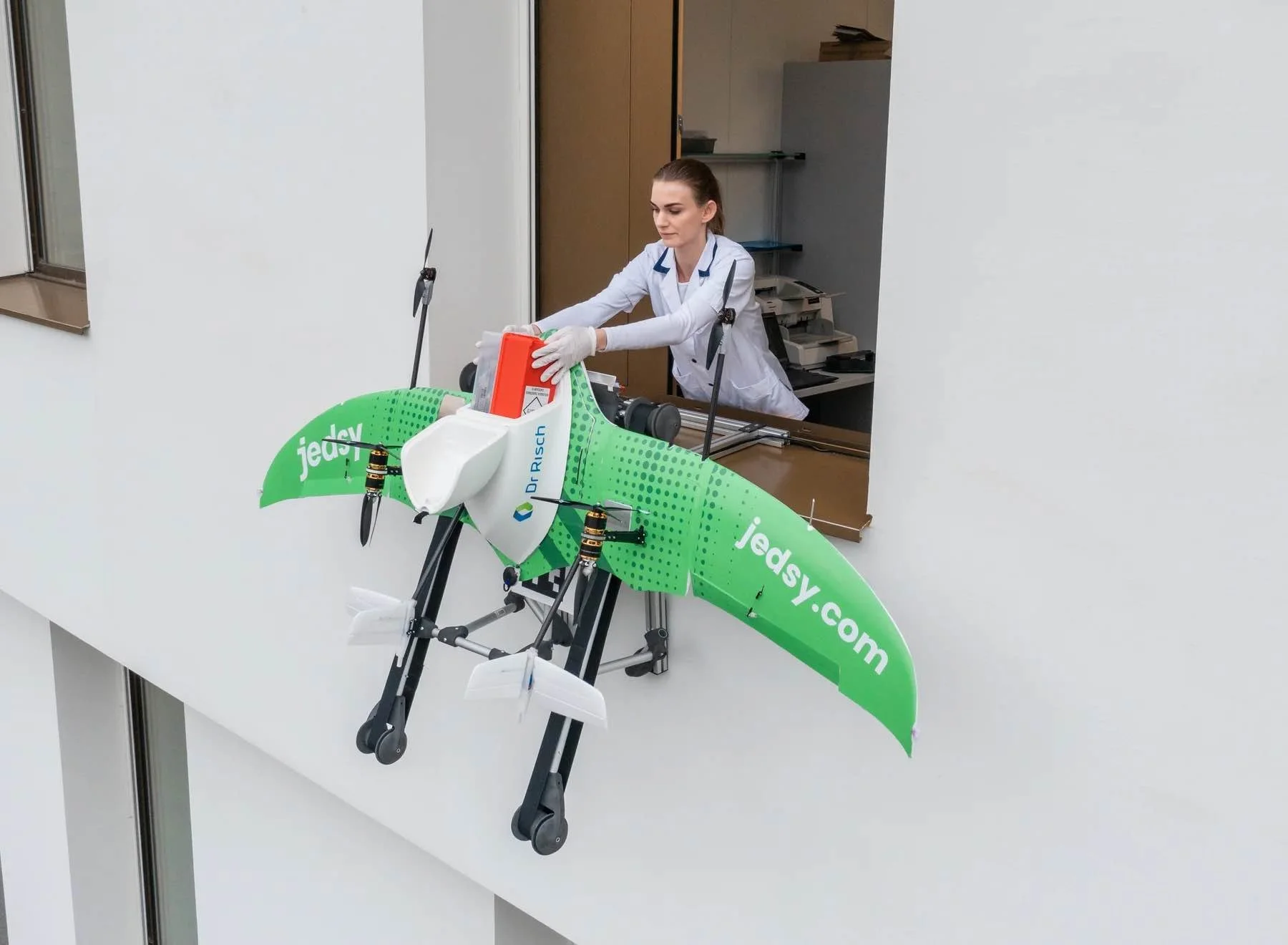

Kenya has a lot of talent and opportunities for innovation. Access to care is not a problem because there are plenty of community nurses present all across the country. However, they have a limited problem and mostly focus on main infectious diseases, leaving serious conditions undiagnosed, says Emilian Popa, Founder and CEO of Ilara Health.

One of the biggest challenges for healthcare startups in Nigeria is access to market. “In Nigeria, healthcare is fragmented, making it difficult to find distribution channels. We have to be creative and may need to look outside healthcare for distribution channels.” , says Jennie Nwokoye is the founder and CEO of Clafiya - a digital primary healthcare service that connects individuals and businesses to health practitioners to provide convenient, quality, and affordable, on-demand primary care from their mobile phones.




“Disparity is the word that best describes the landscape of healthcare provision in Argentina,” says Santiago Troncar, the founder of Future Docs Latin America.

Peru is a developing market in digital health, what will drive it is the natural curiosity of clinicians, says Jhonatan Bringas, MD.

The Chinese healthcare market is experiencing significant momentum from government policies, industry advancements and big tech involvement. However, entering the Chinese digital health market as a foreign entity can be challenging due to strict data privacy laws and regulatory authorities.
COVID-19

Malta is a country of half a million people, a nationally-funded NHS, and a vibrant digital health community that will host the MedTech World Summit in November.

Chronolife is a French company innovating in the space of smart garments for remote patient monitoring. Clothes are not the main innovation of the company, their secret sauce is a patented neuromorphic (bio-mimetic) algorithm, HOTS (Hierarchy Of event-based Time-Surfaces). The algorithm detects and predicts deterioration in patients’ state of health and alerts caregivers to allow earlier intervention and avoid costly hospitalizations.
Data gathering is not a problem in COVID-19 race towards a reliable vaccine. The challenge is how to evaluate it, says Glen de Vries, Co-Founder and Co-CEO of Medidata. End of July Medidata started working with Moderna to support clinical trials of mRNA-1273, Moderna’s COVID-19 vaccine candidate.

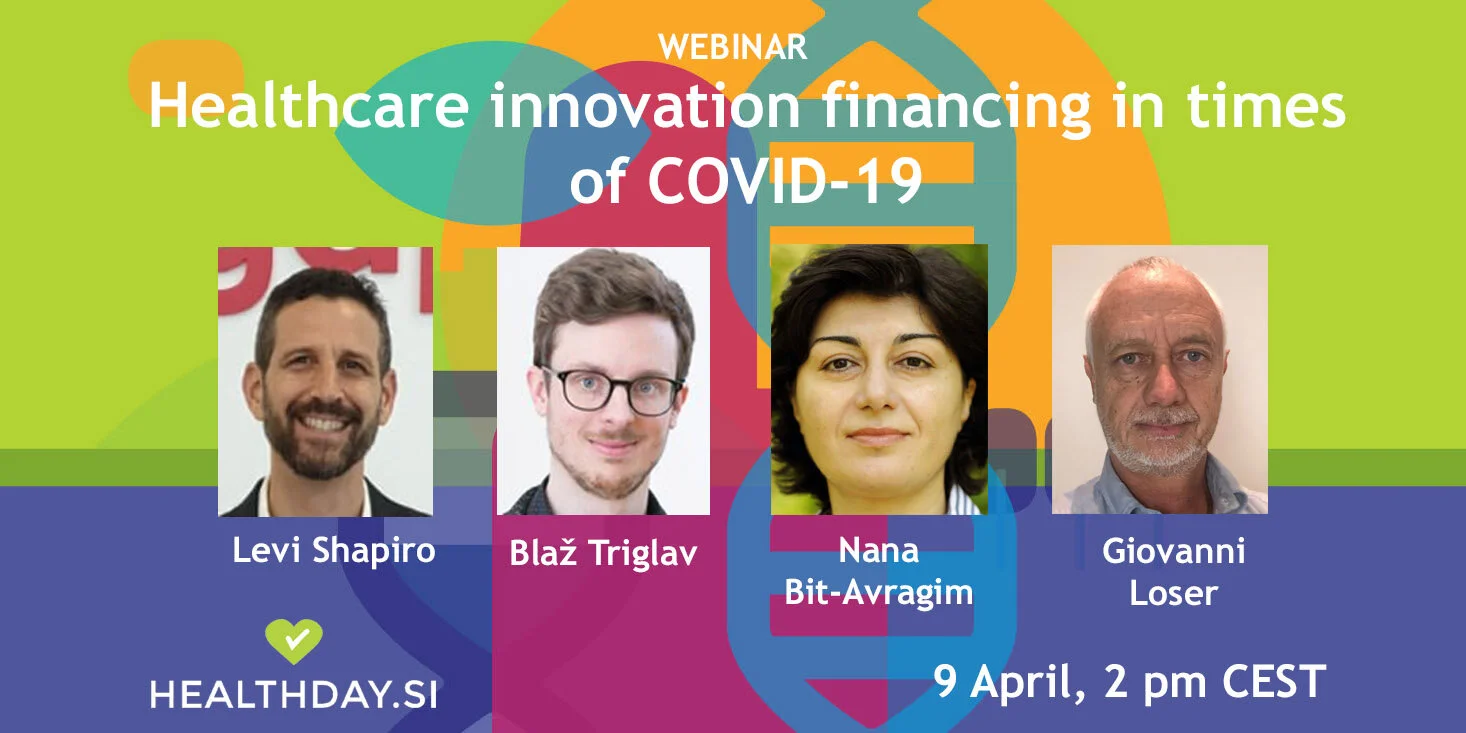
On 9 April 2020 Healthday.si and Faces of digital health organised a webinar, supported by Project Arte and Technology Park Ljubljana, about the effects of COVID-19 on health tech funding. Tune in to hear from Nana Bit-Avragim (Germany), Levi Shapiro Israel), Giovanni Loser, investor (Italy), Blaž Triglav, healthcare executive (Slovenia).

Digital therapeutics (DTx) are clinically validated digital solutions with proven positive effects on disease management and outcomes. They must undergo a clinical trial to prove their efficacy, however, they are not regulated the same as new medications, says Jessica Schull, European Lead for the Digital Therapeutics Alliance (DTA), shaping advocacy and organizational engagement for the DTx industry in European countries.

When Europe became the new epicentre of the Covid-19 spread, and with the steady rise of infected in the US, tech companies offered their knowledge to curb the pandemic: from Covid-19 apps, the rise of telemedicine use in the US, 3D printing in Italy and more efforts to curb the Coronavirus crisis.
Data


Dr. Jack Kreindler, physician, entrepreneur, and human performance expert, is redefining the boundaries between elite human performance and everyday medicine. In this wide-ranging conversation, we explored how performance medicine merges cutting-edge physiology, personalized diagnostics, and mental resilience to not just treat disease—but help us live longer, healthier, and more purposeful lives.

Data optimization is never finished, and we don’t talk enough about data governance in healthcare, are the two key points emphasised by Anne Forsyth, Director of Clinical Applications and Support at Women’s College Hospital in Canada.

Eric Sutherland is Senior Health Economist and Digital Health Lead at OECD, who worked on the pan-Canadian health data strategy before his current role. He discusses the upcoming implementation of the European Health Data Space, what needs to happen next, how do we involve the public, encourage trust in data sharing, and also build capacity for digital health implementation. We are moving into the era of new required data professionals, not just data analysts, but also data controllers, data stewards, and more.


The field of oncology treatments is advancing very fast with innovative therapies and approaches on the market every day. It can get very tricky to support these therapies from an IT perspective.
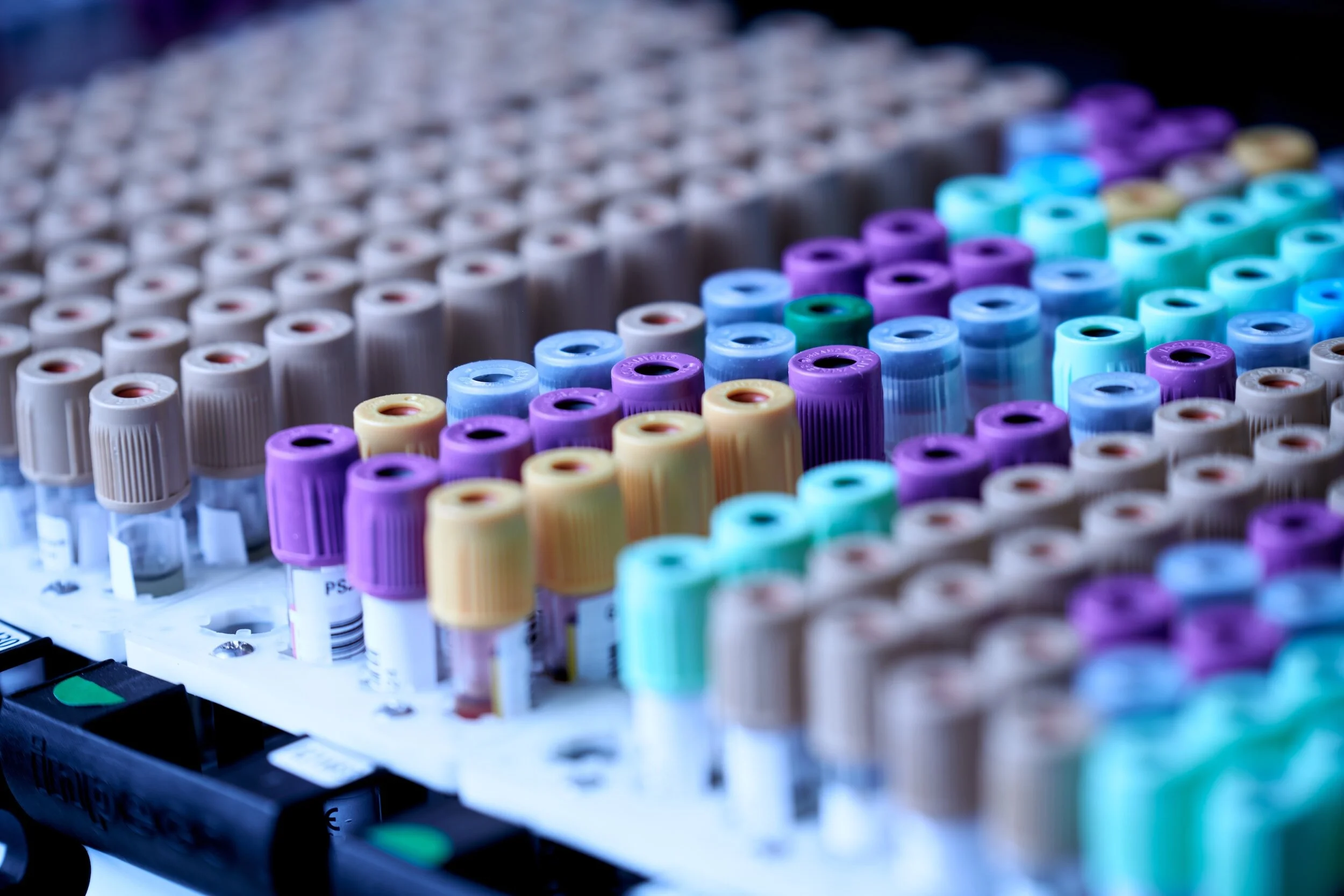
Laboratory tests provide doctors with crucial information for diagnosis, monitoring disease progression, evaluating organ function, assessing risk factors for diseases and more. Laboratory testing can be reassuring, however, it is often deemed unnecessary.

ePrescribing has become a norm in the US healthcare system. Now, the expanded role of pharmacists and the integration of non-physician prescribers into the healthcare system signifies a move towards a more accessible healthcare model, potentially alleviating some of the clinicians' burdens.

Healthcare data in the US is very fragmented. But many companies have been working on creating consolidated patient views, Reveleer being one of them.
In the US, patients have their healthcare data scattered across care providers, who they often change if they change their job and, consequently their insurers. Insurers have their own networks of healthcare providers, causing the individual to go from one healthcare provider to a different one when life changes happen. And when these providers use different IT systems, data gets siloed.

The US has had ePrescribing since 2001. The new player aims to give more value to the patients.
Doctors
Dr. Jack Kreindler, physician, entrepreneur, and human performance expert, is redefining the boundaries between elite human performance and everyday medicine. In this wide-ranging conversation, we explored how performance medicine merges cutting-edge physiology, personalized diagnostics, and mental resilience to not just treat disease—but help us live longer, healthier, and more purposeful lives.

In the evolving landscape of healthcare, the interplay of clinical data modeling and workforce dynamics is reshaping the future of medicine. Amanda, a clinical data specialist and former oncologist, shares her insights on this transformation, highlighting the critical role of technology and shifts in physician careers in healthcare.
The US has had ePrescribing since 2001. The new player aims to give more value to the patients.

Looking at digital health investments in the APAC region, according to Galen Growth Asia, in 2021 China took the highest amount of funding (58.6%) for digital health, followed by India (22.3%), Australia (5.6%), Soth Korea (4.3%), and Singapore (3.8%). Healthcare expenditure differs a lot among countries: According to the World Bank, China attributed 5,3% of its GDP to healthcare, India 3%, Australia 9.91 %, and Singapore 4%. How do these healthcare systems differ and does healthcare expenditure relate to investment in digitalization?

“Digital health experts know a lot about health, a lot about technology, but oftentimes they don't know a lot about the psychology of the users, the behavioral economics and ways in which you can motivate them," says Talya Miron- Shatz, PhD, an expert in medical decision making.
The psychology behind decision-making is crucial for companies to be able to present meaningful information to people, not just offer them data people can’t understand.

Summus Global enables people from across the world to connect to renowned medical experts. The company has a network of over 4,000 specialists. Their customers come from the US, China, Canada, Philippines, Spain, England, United Arab Emirates, Hong Kong, Luxembourg, Turkey, and Ireland.

Virtual reality can have a literally healing effect. Over 5000 studies by today have shown the efficacy of VR for pain management, PTSD, eating disorders, mental health, even helping manage pain during childbirth. The FDA provided a special designation for virtual reality as a breakthrough device for managing pain.

Sanitas is the leading Spanish health insurance and service provider and have been devoted exclusively to health care for more than 60 years. The Sanitas’ Cima hospital in Barcelona is an exemplar in digital innovation adoption.
Even before COVID, an innovation platform was established which seeks to promote entrepreneurship among employees. Another platform is in place, that aims to attract startup talent in areas such as prevention and genomics, liquid hospital, artificial intelligence, blockchain, data & analytics, and robotics.

Despite enjoying clinical practice, Benedict Evans still came to a point where he felt he is not passionate enough about what he does, and as a surgeon, he realized he enjoys talking to patients more than treating them when they are under anesthesia. He went to a consulting position at McKinsey, then back to an NHS Trust to drive digital innovation and now to a VC position.
Leah Houston is an Emergency Physician who has been following blockchain development since 2012. When a hospital she used to work for stole her identity for fraud billing, she decided to design a blockchain-based solution that would prevent such abuses from happening to any doctor in the future.
Entrepreneurship

Women's health is a multifaceted field that extends beyond reproductive concerns, encompassing mental, gynecological, and hormonal health. It is important to recognize the normalcy of stages like menopause and not treat them as diseases.

In this episode, Hannes Toivanen, Lead, Global Digital Ecosystem Engagement at Takeda, and Jesus Jeronimo, Director of New Digital Services & Products at Sanitas + BUPA ELA. Jesus and Hannes talked about how pharma, insurance companies, and healthcare providers work with startups, and what makes a successful partnership.

For a few years now, Germany has in place a clear workflow for making digital health apps reimbursable. Requirements to achieve that status are, however, quite demanding for vendors.

Two things are important to keep in mind when assessing the current state of digital health investments: the pandemic changed the habits of clinicians who now know the potential of technology in reaching their patients in a more convenient way. Secondly, the global economy is in flux at the moment, so healthcare isn’t the only sector experiencing caution in investing.
Looking at digital health investments in the APAC region, according to Galen Growth Asia, in 2021 China took the highest amount of funding (58.6%) for digital health, followed by India (22.3%), Australia (5.6%), Soth Korea (4.3%), and Singapore (3.8%). Healthcare expenditure differs a lot among countries: According to the World Bank, China attributed 5,3% of its GDP to healthcare, India 3%, Australia 9.91 %, and Singapore 4%. How do these healthcare systems differ and does healthcare expenditure relate to investment in digitalization?

WHO estimates a projected shortfall of 18 million health workers by 2030, mostly in low- and lower-middle-income countries. What do doctors want and what kind of careers can they have?

Is it time to stop talking about digital health and just focus on health? Where, in which department, do digital health innovations fit within Pharma? Do we expect too much in terms of the speed of digital health innovation in Pharma?

EIT Health, a network of best-in-class health innovators backed by the EU, partnered with the Polish Medical Mission - a 22 years old Polish humanitarian organization that provides medical aid to the countries most in need in the world.

Startup Health - the US-based organization supporting digital health innovators across the world is 11 years old. It currently supports 400+ companies in 27 countries across the world. 80% of startups still come from the USA, but that will hopefully change, with a higher percentage of innovators coming from other parts of the world, hopes co-founder and President of Startup Health Unity Stoakes

Which innovations are reasonable to implement in healthcare today? And which technologies are currently not ready for prime time just yet?
Genomics

By analyzing genetic variations that influence drug metabolism, efficacy, and potential adverse reactions, pharmacogenomics tests provide valuable insights for personalized treatment decisions. So why are we not using it more frequently and when does it make sense to order a pharmacogenomic test?

For improving antimicrobial stewardship globally, several things would need to be coordinated:
Databases about outbreaks and bugs becoming resistant.
Broadscale rapid diagnostics would need to be in place to detect the bugs and resistance.
Improved antimicrobial stewardship, so the antibiotics we use today will still work in 20 or 30 years.
Defined rapid diagnostics reimbursements schemes.
Defined incentives for the development of new antibiotics.

Efforts are increasingly quantified with sensors, wearables, or even biohacking — interventions to influence body biology. The new hope for advancements in longevity is seen in artificial intelligence, which is becoming increasingly powerful.
Gene therapies are applicable to a broad range of diseases; their aim is to radically treat the causes of the diseases instead of only relieving the symptoms. They may be effective on a wide range of previously untreated diseases, such as haematological, ocular, neurodegenerative diseases, and several cancers.
In Episode 24 of Faces of digital health podcast, Natalie Pankova talks about some of the dilemmas and promises of genomics.
Healthcare Policy

Medications can cure or kill. According to WHO, the global cost associated with medication errors is 42 billion US dollars. Three European specialists from the Netherlands, UK and Belgium recently started a European project Asclepius, which advocated for the standardization of medication management across Europe and introduction of closed-loop medication management systems.


If someone told you to get an eye exam, would you associate that with a virtual reality headset? It might be where ophthalmology diagnostics will end up in the near future.

The biggest open question around the European Health Data Space (EHDS) are timelines, says Nick Schneider, Head of division 511 on new technologies and data use at the Germany Federal Ministry of Health.

Nurses play a key role in patient care, but their contribution to patient outcomes is often undervalued and underappreciated. It took a pandemic to create a major shift in their job opportunities and power to negotiate.

OneLondon is a project that supports a vision of joined-up health and care. It is a pan-London collaboration between leaders from the 5 Integrated Care Systems in the capital. London’s healthcare system is complex. It covers a population of 10 million people and is connecting 35 NHS Trusts and 1385 GP practices.

Too often, patients need to repeat their medical history when in contact with different healthcare providers. Consequently, clinicians need more time to make decisions than necessary because they can’t access patient data. London managed to digitize urgent care plans.

A systemic approach to care for non-communicable diseases like hypertension and diabetes is Africa is in its early stages, with the biggest challenge for patients being the price of medications, says Anne Stake, Chief Strategy and Product Officer at Medtronic Labs.

In Africa, the regulation for medical devices still needs to be put in place. Most medical devices are imported because there often aren’t any local capacities for larger manufacturing of devices.
Taking into account the low buying power of most healthcare providers, this results in Africa being donated second-rate medical equipment, says Herve Mwamba, South African entrepreneur, regulatory, and quality assurance consultant.
Looking at digital health investments in the APAC region, according to Galen Growth Asia, in 2021 China took the highest amount of funding (58.6%) for digital health, followed by India (22.3%), Australia (5.6%), Soth Korea (4.3%), and Singapore (3.8%). Healthcare expenditure differs a lot among countries: According to the World Bank, China attributed 5,3% of its GDP to healthcare, India 3%, Australia 9.91 %, and Singapore 4%. How do these healthcare systems differ and does healthcare expenditure relate to investment in digitalization?
Interoperability
ePrescribing has become a norm in the US healthcare system. Now, the expanded role of pharmacists and the integration of non-physician prescribers into the healthcare system signifies a move towards a more accessible healthcare model, potentially alleviating some of the clinicians' burdens.
Healthcare data in the US is very fragmented. But many companies have been working on creating consolidated patient views, Reveleer being one of them.
In the US, patients have their healthcare data scattered across care providers, who they often change if they change their job and, consequently their insurers. Insurers have their own networks of healthcare providers, causing the individual to go from one healthcare provider to a different one when life changes happen. And when these providers use different IT systems, data gets siloed.
The US has had ePrescribing since 2001. The new player aims to give more value to the patients.
OneLondon is a project that supports a vision of joined-up health and care. It is a pan-London collaboration between leaders from the 5 Integrated Care Systems in the capital. London’s healthcare system is complex. It covers a population of 10 million people and is connecting 35 NHS Trusts and 1385 GP practices.
Too often, patients need to repeat their medical history when in contact with different healthcare providers. Consequently, clinicians need more time to make decisions than necessary because they can’t access patient data. London managed to digitize urgent care plans.

Karim Karshavjee is the Program Director of the Masters of Health Informatics program at the University of Toronto. He is the co-author of the chapter on Designing Disease-Specific mHealth Apps for Clinical Value in the book Smart and Pervasive Healthcare. The chapter offers an overview of the current usability and use of mHealth apps and what to take into account if you are developing one. To quote one of the findings - “While investments in mHealth is continues to grow, usage of mHealth apps continues to be low. Based on the data in 2017, the use of apps was especially low amongst patients with chronic disease who are most likely to benefit from their use [4]. While 38% of respondents with no health condition had downloaded 1–5 mHealth apps in a survey in 2017, only 6.6% with hypertension had done the same. “

Sharing of data has improved with the introduction of the messaging standard called FHIR. But throughout the years, debates about open standards and open ecosystems have started to become louder and louder.

This short series explores the state of healthcare IT and digital health in Finland, Norway, Denmark, and on a broader scale. The topics addressed include national healthcare infrastructures, access to healthcare, care for the elderly, and more.

End of August, Days of eHealth were organised as part of the Slovenian Presidency to the Council of EU. Among other presentations were panel discussions about healthcare digitalization practices in Germany, Catalonia, Israel and Finland.

Episode 101 highlights some of the thoughts about digital health development and factors impacting innovation and solutions design across the world: Venezuela, India, Asia, Africa, and Europe.
Management
Medications can cure or kill. According to WHO, the global cost associated with medication errors is 42 billion US dollars. Three European specialists from the Netherlands, UK and Belgium recently started a European project Asclepius, which advocated for the standardization of medication management across Europe and introduction of closed-loop medication management systems.
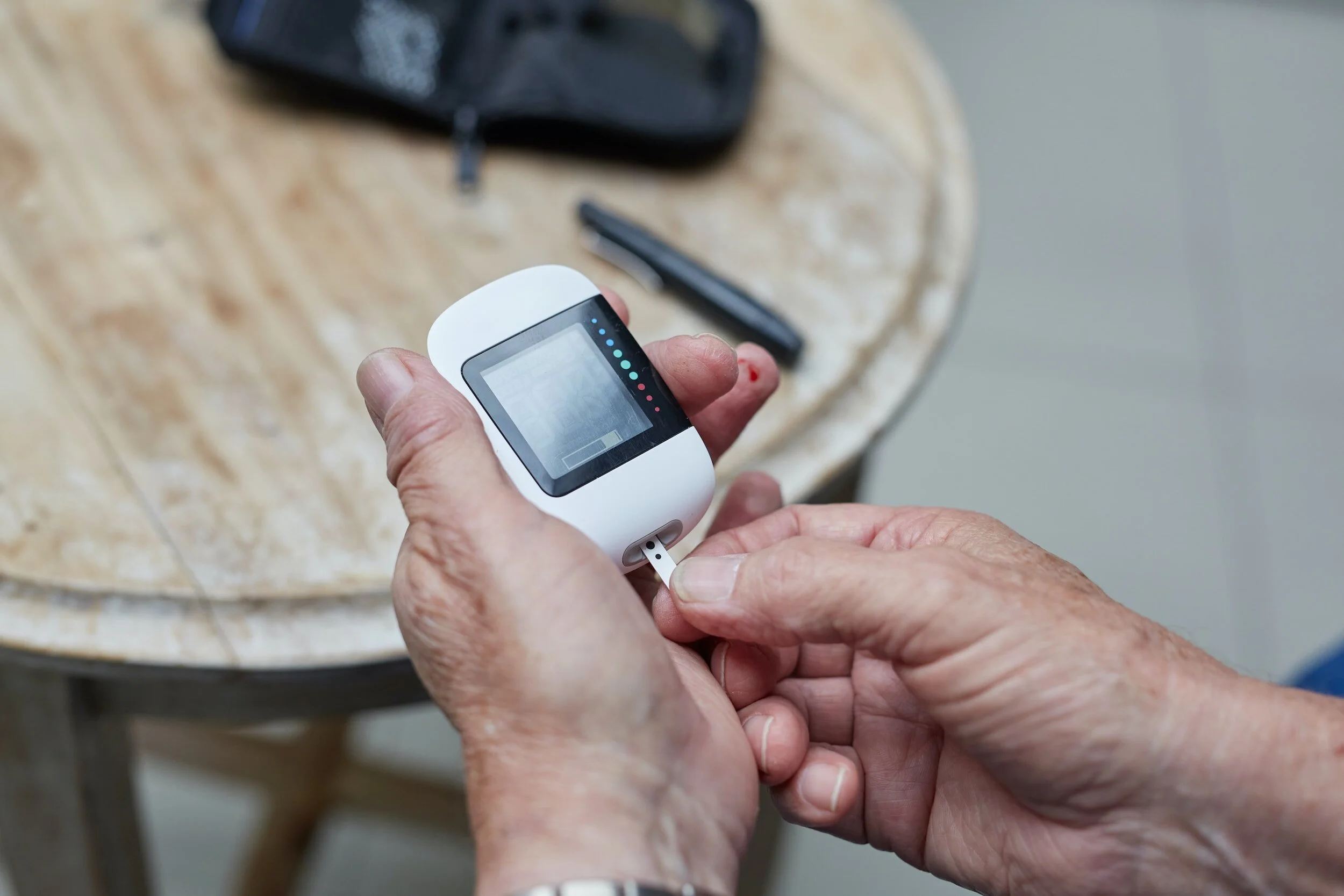
For over a decade, Omada Health, a US digital behavioral medicine company, has helped individuals living with prediabetes, diabetes, hypertension, and musculoskeletal issues manage their care better with the help of digital tools and personalized support. Their reflection on what works in chronic care? Motivation is malleable, and understanding specific health goals is essential.

One of the biggest global challenges in healthcare at the moment is the workforce crisis. Workforce shortages are not related to the number of people that get trained for healthcare professionals but the working conditions that they need to operate under. Here’s how Buurtzorg organizes community work with self-managing teams.
WHO estimates a projected shortfall of 18 million health workers by 2030, mostly in low- and lower-middle-income countries. What do doctors want and what kind of careers can they have?

The field of healthcare digitalization is maturing and getting increasingly sophisticated, demanding healthcare and technology leaders to think more strategically than they were perhaps required a few years ago.
This short series explores the state of healthcare IT and digital health in Finland, Norway, Denmark, and on a broader scale. The topics addressed include national healthcare infrastructures, access to healthcare, care for the elderly, and more.

Nina Capital and Level 20 recently published a report about gender diversity in the PE/VC space on the Spanish market. Research showed that in aggregate, women represent 30% of the workforce. Only 17% of senior roles positions are held by women.

Integrated Health and Social Services University Network for West-Central Montreal (CIUSSS West-Central Montreal) covers 345,000 people, with a staff of over 12,000 and over 600 doctors. In 2020, in the midst of the COVID-19 pandemic, a Connected Health Innovation Hub inside the network was formed to further leverage technologies and innovation for increased healthcare improvement and sustainability.

Save the date for 29 June 2021.
Join the premiere of (OVER)DOSE - a documentary about medication management and patient safety.

Phishing, Whaling, and exposure of patient data are a rising occurrence of the increasingly digitalized healthcare systems. 2020 saw more data breaches than previous years. What are the basics to know?
Mental Health

Technically, we've never been more connected or had relationships with as many people as we do today, thanks to social networks on the internet. Yet, while these platforms bring convenience, they are also increasing loneliness and reducing face-to-face interactions.
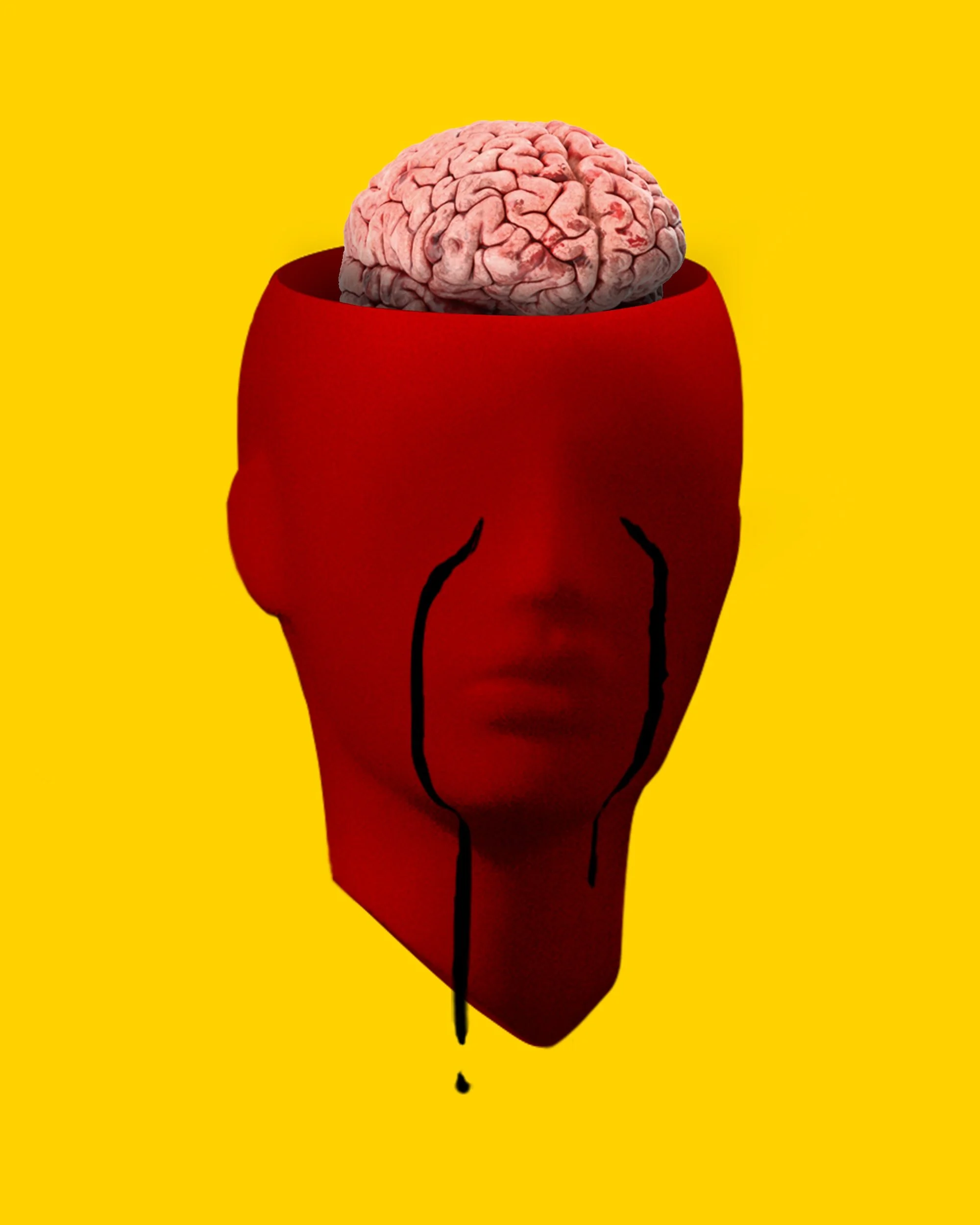
How can AI help in mental health treatment? Not by talking to patients, but there's a lot of potential to get new insights from the medical data and in optimizing processes, says David Mou MD MBA, CEO of Cerebral.

“9 out of 10 students indicate that their campus is in a full-blown mental health crisis. Prior to Covid, 10% of all of our visits were focused on mental health. And at this point, close to 80% of all of the visits that we have with students are our related to mental health,” says Luke Hejl, CEO of TimelyMD, the leading virtual health and well-being solution for college students.

The pandemic has significantly increased the need for mental healthcare and destigmatized discussing wellbeing and mental health issues in everyday conversation. Unfortunately, the number of quality providers of mental health services is still much lower than the demand, and the number of people that are seeking help is rising.

TikTok is an increasingly popular platform without an age limit of the audience and creators. 15 to 60-second videos offer audience information, challenge them to dance, or just take user’s minds off every day worries. All sorts of professionals are using TikTok to build their brand or just have a little bit of fun. Medical workers are no exception.

Many doctors leave full-time medical practice to become entrepreneurs. Many of them do that to solve systemic issues plaguing healthcare. This series includes four doctors from the US, UK and Spain, Daniel Kraft, Michael Docktor, Owain Rhys Hughes and Guillem Serra explain their experiences with healthcare IT during their clinical practice, and their motivation to develop technological solutions for healthcare.

Social isolation and loneliness are linked to several health problems such as high blood pressure, heart disease, obesity, a weakened immune system, anxiety, depression, cognitive decline, Alzheimer’s disease, and even death. Can these problems be alleviated with the help of robots?

After 20 years of individual problems with poor sleep, Richard Jacobs decided to take a research approach to the problem.

VR is used for acute and chronic pain, stroke and traumatic brain injury, drug and alcohol abuse, mild cognitive impairment, anger management, learning disabilities, neuro-cognitive disorders, PTSD, even grief counceling, to name only a few.
Nurses
One of the biggest global challenges in healthcare at the moment is the workforce crisis. Workforce shortages are not related to the number of people that get trained for healthcare professionals but the working conditions that they need to operate under. Here’s how Buurtzorg organizes community work with self-managing teams.
Nurses play a key role in patient care, but their contribution to patient outcomes is often undervalued and underappreciated. It took a pandemic to create a major shift in their job opportunities and power to negotiate.

Marlyn Harris is a cybersecurity expert. She’s also a nurse. And a veteran who served in the gulf war. Her mix of experiences is perfect for cybersecurity projects, she says.
![F087 — F091 [SERIES] Nurses: the hidden gem in healthcare](https://images.squarespace-cdn.com/content/v1/5cd90459b782c7000129f979/1593297344423-CF3V6D3MRIK2KTD1KP9I/nurses+SQ.jpg)
In this series with Shawna Butler, Sherezade Ruano, Karmi Soder and Mary Lou Ackerman, you will hear about what nurses actually do, the changing role of nurses in healthcare, relationship nurses have with technology — IT systems, new innovations, why they should be at the policymaking table.

Nurses and midwives account for nearly 50% of the health workforce. Despite their significance in the healthcare system, they are often overlooked, especially when talking about innovation.
Patients
For over a decade, Omada Health, a US digital behavioral medicine company, has helped individuals living with prediabetes, diabetes, hypertension, and musculoskeletal issues manage their care better with the help of digital tools and personalized support. Their reflection on what works in chronic care? Motivation is malleable, and understanding specific health goals is essential.
One of the biggest global challenges in healthcare at the moment is the workforce crisis. Workforce shortages are not related to the number of people that get trained for healthcare professionals but the working conditions that they need to operate under. Here’s how Buurtzorg organizes community work with self-managing teams.
Too often, patients need to repeat their medical history when in contact with different healthcare providers. Consequently, clinicians need more time to make decisions than necessary because they can’t access patient data. London managed to digitize urgent care plans.

More than 1 million sexually transmitted infections (including syphilis, gonorrhea, chlamydia, HIV hepatitis, and other infections), are acquired daily worldwide. Most STIs are asymptomatic, making early detection that much more critical to prevent the spread of these diseases. This is where at-home diagnostics will potentially make a difference.
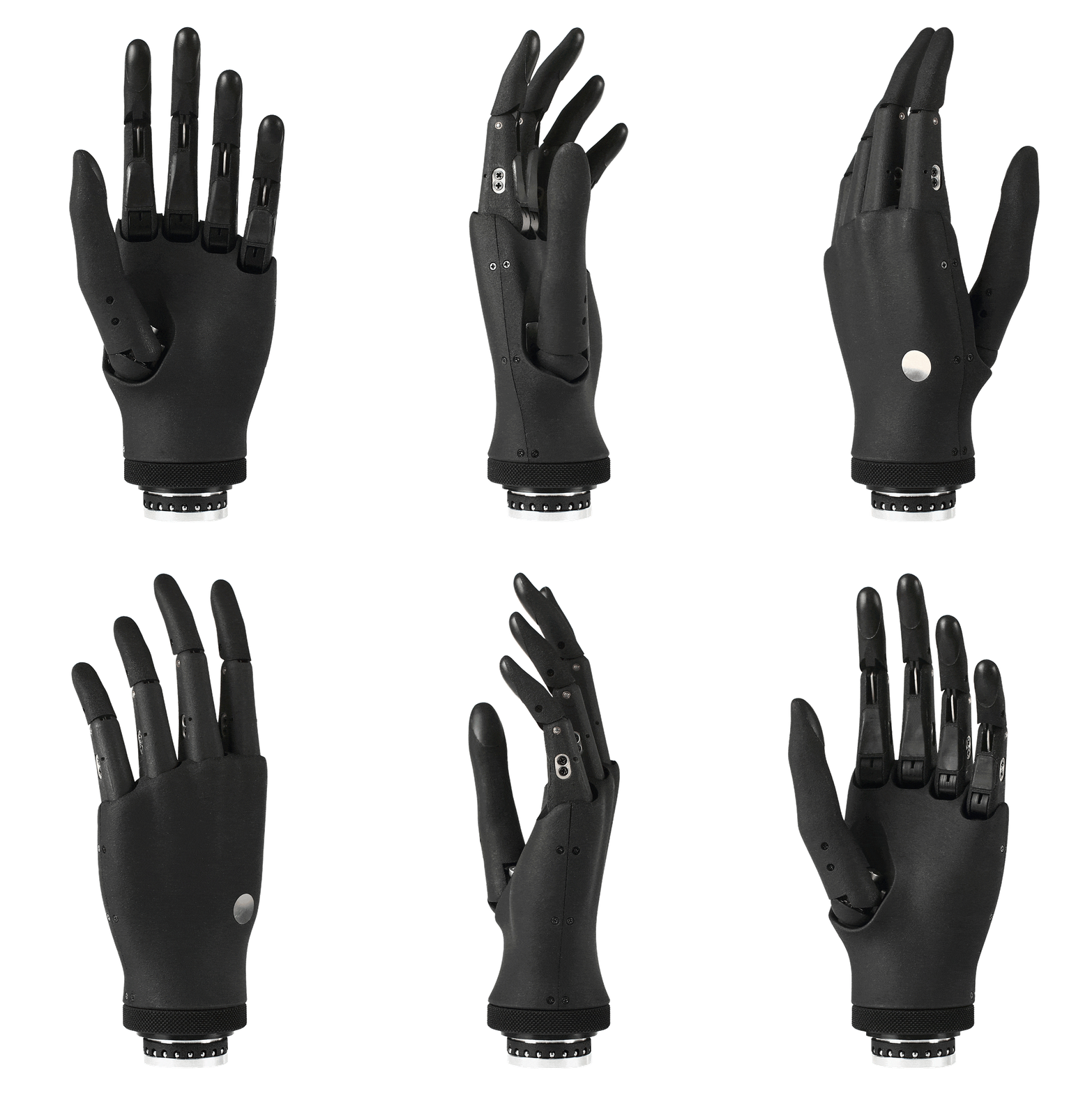
In 2017, 57.7 million people were living with limb amputation due to traumatic causes worldwide. Artifical limbs of the future will be better than biologic limbs: faster, stronger, with extra functionalities, says Dima Gazda, CEO of Esper Bionics.
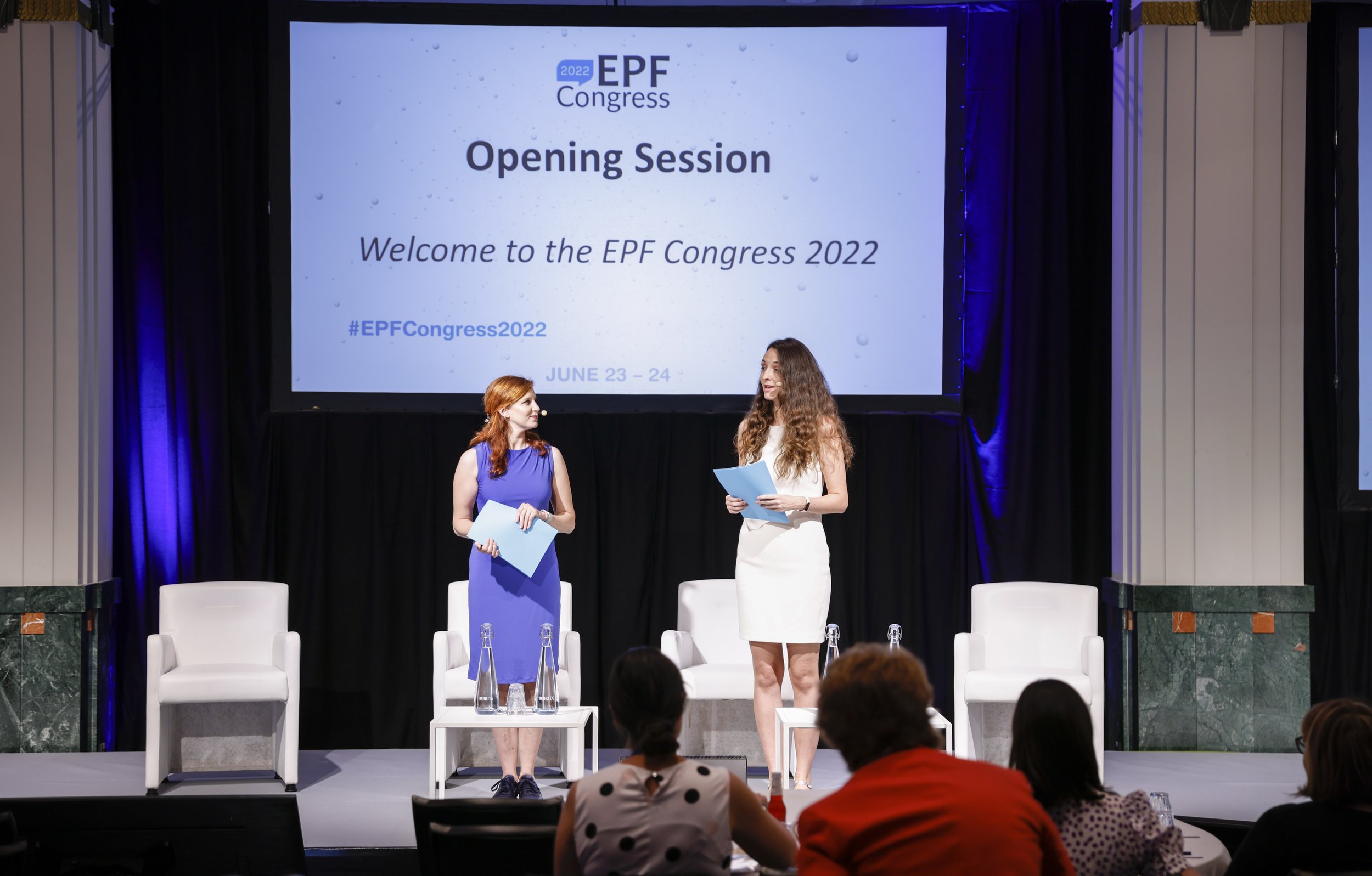
How many times in the last year or two have you heard that patients should own their data or have control over their data? These statements sound simple but are much more complex once you start to look at the implications they might have in practice. In June, the European Patients’ Forum Congress took place in Brussels. The topic was the digital transformation of healthcare, data sharing, and the role of patient organizations in this story.

Cancer patients that have been cured get told by their doctors that they can now finally forget about cancer and go on with their lives. However, in reality, they are often faced with several challenges because of their past diagnosis. The right to be forgotten refers to the right of individuals who have been cancer-free for years to access financial services.
“Digital health experts know a lot about health, a lot about technology, but oftentimes they don't know a lot about the psychology of the users, the behavioral economics and ways in which you can motivate them," says Talya Miron- Shatz, PhD, an expert in medical decision making.
The psychology behind decision-making is crucial for companies to be able to present meaningful information to people, not just offer them data people can’t understand.
Adolescents and young adults are a specific group of patients: this period of growing up is sensitive by definition. Adding changes such as the transition from pediatric to adult care further increases the level of vulnerability of these patients.

Because US healthcare is private and operates by the rules of the free market, prices for services and medications can differ substantially. It is very difficult for patients and doctors to know the medication cost in advance.
Pharma
Is it time to stop talking about digital health and just focus on health? Where, in which department, do digital health innovations fit within Pharma? Do we expect too much in terms of the speed of digital health innovation in Pharma?
Because US healthcare is private and operates by the rules of the free market, prices for services and medications can differ substantially. It is very difficult for patients and doctors to know the medication cost in advance.
Save the date for 29 June 2021.
Join the premiere of (OVER)DOSE - a documentary about medication management and patient safety.

Medication management is a complicated, expensive, and complex healthcare problem. Because taking medications is only on a small part of patient’s lives, taking them correctly can be complicated and burdensome. On Medisafe, patients manage almost 30,000 medication doses every hour. The app is free for the users, but the generated data creates value that helps partners of Medisafe to promote collaboration and improved decision-making throughout the healthcare industry.

There are a number of players that are trying to disrupt the pharmacy market. Companies such as GoodRx, RxSaver and now Amazon Pharmacy are starting to bring pricing transparency in the field. The Amazon Prime prescription savings benefit can save members up to 80% off generic and 40% off brand name medications when paying without insurance. Truepill is offering healthcare players a fast way to digital transformation.

G4A, formerly known as Grants4Apps is probably the most famous digital health accelerator running inside a Pharma conglomerate. At the moment, the program known as G4A is present in some form or another in 35 countries.
Efforts are increasingly quantified with sensors, wearables, or even biohacking — interventions to influence body biology. The new hope for advancements in longevity is seen in artificial intelligence, which is becoming increasingly powerful.
Precision Medicine
Because US healthcare is private and operates by the rules of the free market, prices for services and medications can differ substantially. It is very difficult for patients and doctors to know the medication cost in advance.
Save the date for 29 June 2021.
Join the premiere of (OVER)DOSE - a documentary about medication management and patient safety.
For improving antimicrobial stewardship globally, several things would need to be coordinated:
Databases about outbreaks and bugs becoming resistant.
Broadscale rapid diagnostics would need to be in place to detect the bugs and resistance.
Improved antimicrobial stewardship, so the antibiotics we use today will still work in 20 or 30 years.
Defined rapid diagnostics reimbursements schemes.
Defined incentives for the development of new antibiotics.

The idea behind regenerative medicine is to enable medicine to use human cells as therapies. This means that instead of using artificial joints and other implants we currently use for healing, we could use cells that would regenerate our own tissues. This would disrupt the industry of joint replacement implants and surgery.
TikTok is an increasingly popular platform without an age limit of the audience and creators. 15 to 60-second videos offer audience information, challenge them to dance, or just take user’s minds off every day worries. All sorts of professionals are using TikTok to build their brand or just have a little bit of fun. Medical workers are no exception.

Most AI systems today are developed to aid diagnostics, not influence treatment choices. Compared to diagnosis support tools, which are based on existing diagnostic images, treatment outcomes predictions, and hence therapy suggestions are more complex. They demand more complex clinical trials.
Efforts are increasingly quantified with sensors, wearables, or even biohacking — interventions to influence body biology. The new hope for advancements in longevity is seen in artificial intelligence, which is becoming increasingly powerful.

Communication of ideas is of significant importance for the success of a product, yet often times, companies struggle with it. As John Nosta observes, many innovators are tremendously hampered by the ability of the marketplace to absorb or understand that innovation.
Startups

David Buller is a Founding Partner at Ascension Life Fund and exited founder of Avantec Healthcare. He shares insights of both raising and investing money in digital health.
Alex Merwin is Head of Growth, Healthcare & Life Sciences Startups at Amazon Web Services (AWS). In this episode, he presents the AWS Health Innovation Podcast, which showcases startups that are advancing healthcare & life science by leveraging cloud computing technology. In this episode he shares how AWS supports startups, what trends is Alex observing in the health innovation space, what does his podcast cover.

One of the highly ancipated news at the HLTH2022 event - the largest digital health event, which is taking place in Las Vegas between the 13-16th, was the release of the global digital health report, prepared by FINN Partners and Galen Growth | Global HealthTech Insights.
Tune in to a short 10 min discussion published on Faces Of Digital Health Podcast with Julien de Salaberry.

People in rural America get 23% higher mortality rates than people who live in urban areas. And that's not right. And it's fixable, says Jennifer Schneider, CEO of Homeward.
Startup Health - the US-based organization supporting digital health innovators across the world is 11 years old. It currently supports 400+ companies in 27 countries across the world. 80% of startups still come from the USA, but that will hopefully change, with a higher percentage of innovators coming from other parts of the world, hopes co-founder and President of Startup Health Unity Stoakes

Great design comes together when the designer takes into account viability, feasibility and
desirability. “When we think about human-centered design and what we call design thinking, we have three pillars that we weigh. We weigh that desirability piece, the piece that most people associate with design, but we also weigh the viability piece, making sure whatever is being made is profitable or funded and definitely sustainable over time,” says Tim Peck, Executive Portfolio Director of Health at IDEO - probably the most prominent global design company.

Marie Johnson talks about healthcare in Australia, how can we make AI solutions such as coaches more human, and her thoughts regarding the future development of AI for healthcare.
Integrated Health and Social Services University Network for West-Central Montreal (CIUSSS West-Central Montreal) covers 345,000 people, with a staff of over 12,000 and over 600 doctors. In 2020, in the midst of the COVID-19 pandemic, a Connected Health Innovation Hub inside the network was formed to further leverage technologies and innovation for increased healthcare improvement and sustainability.


In developing countries, explanations for health problems or general human biology can be heavily influenced by traditional beliefs. Some communities still believe that during their period, women are cleansing of evil spirits or that a woman giving birth to twins is a bad omen. The solution to these misconceptions is education. But to provide it, health education companies face infrastructure challenges and technology affordability issues.
Virtual Reality


End of 2021 the regulators in healthcare are on board with VR, progress is happening on the software and hardware side, so where is VR at the moment in terms of development, challenges, and accessibility for health and medical purposes?
Virtual reality can have a literally healing effect. Over 5000 studies by today have shown the efficacy of VR for pain management, PTSD, eating disorders, mental health, even helping manage pain during childbirth. The FDA provided a special designation for virtual reality as a breakthrough device for managing pain.

Rafael Grossmann is a Surgeon, Educator, Healthcare Futurist, known in the digital health community as the VR surgeon. Originally from Venezuela, Rafael has been practicing medicine in the US for more than 15 years.

Thanks to the invitation of Martin Dockweiler, President of Udabol University Bolivia, Shafi Ahmed will lead the new, latest technologies enhanced hospital in Bolivia. As he explains in the episode 18 of Faces of digital health podcast, the desire is to create a exemplary hospital, which would then be scaled to other locations as well.
VR is used for acute and chronic pain, stroke and traumatic brain injury, drug and alcohol abuse, mild cognitive impairment, anger management, learning disabilities, neuro-cognitive disorders, PTSD, even grief counceling, to name only a few.
Voice biomarkers: the promise is real—but only if we stop analyzing words